15 Terms That Everyone Within The Guttering Industry Should Know
페이지 정보
작성자 Torsten 작성일 26-05-23 04:18 조회 3 댓글 0본문
Understanding Guttering: A Comprehensive Guide
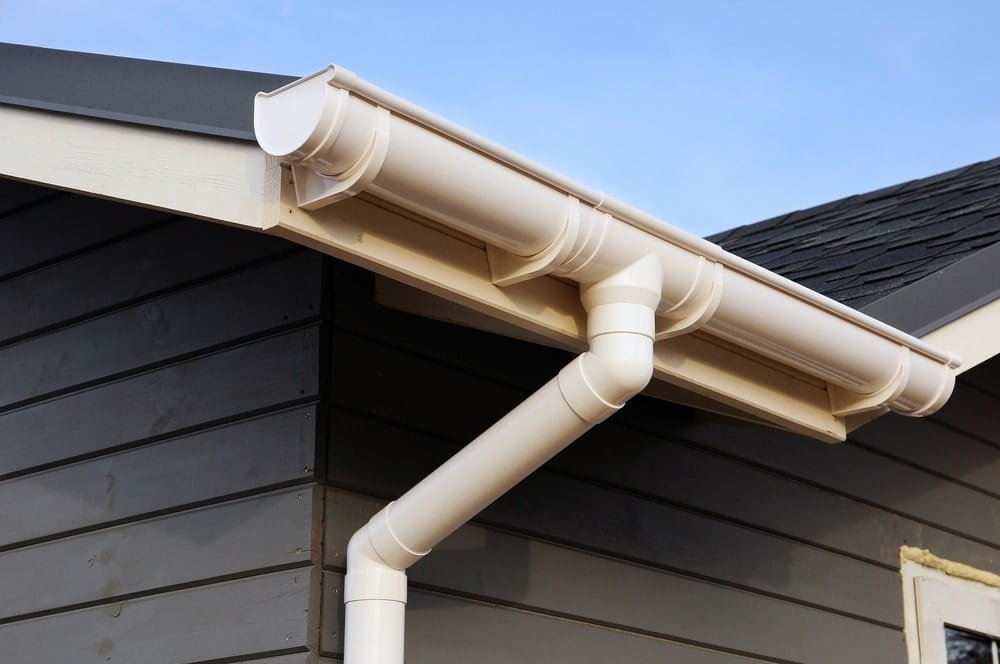
Guttering Contractors is a vital component of any structure's drainage system, playing a vital role in safeguarding the property from water damage. Effectively set up and maintained gutters ensure that rainwater is efficiently diverted away from the roof and structure, avoiding concerns such as flooding, mold development, and structural damage. This article aims to provide an informative introduction of Guttering Company, including types, materials, installation processes, and the significance of routine maintenance.
The Importance of Guttering
Gutters serve multiple important functions:
- Water Management: They funnel rainwater away from the roof and foundation, decreasing the danger of pooling water.
- Avoiding Soil Erosion: Properly working gutters prevent the soil around the structure from deteriorating due to excessive water flow.
- Protecting Landscaping: Gutters assist direct water away from flower beds and other landscaping functions.
- Avoiding Structural Damage: By keeping water away from the structure's foundation, gutters assist to lower the danger of cracks and settling.
Table 1: Common Problems Caused by Poor Guttering
| Problem | Description |
|---|---|
| Flooding | Excess water can pool around the structure, resulting in flooding. |
| Mold Growth | Stagnant water can add to mold growth in basements and attics. |
| Wood Rot | Water damage can trigger wood to rot, potentially damaging the structure. |
| Landscape Damage | Overruning gutters can wear down soil and ruin landscaping functions. |
| Ice Dams | In cooler climates, clogged gutters can result in ice dams, triggering more damage. |
Types of Guttering
Gutters come in various types, each with its particular advantages and drawbacks. The primary types include:
1. K-Style Gutters
- Description: This is the most typical kind of gutter, characterized by a flat bottom and an ornamental front that resembles a crown.
- Product: Often made from aluminum, vinyl, or galvanized steel.
- Pros: Holds more water than other types and has a pleasing visual.
- Cons: Can become clogged with debris more quickly.
2. Half-Round Gutters
- Description: These gutters are semicircular and often seen in historic homes.
- Product: Typically made from copper or aluminum.
- Pros: Their shape permits a smooth water circulation, minimizing the possibility of blockages.
- Cons: They typically have a lower capability than K-style gutters.
3. Box Gutters
- Description: Built into the roofline, these gutters have a rectangular shape and can be more efficient in managing big volumes of water.
- Material: Usually made from metal or can be integrated into the roofing product.
- Pros: Less noticeable and can be more efficient.
- Cons: More complex to install and keep.
Table 2: Comparison of Gutter Types
| Gutter Maintenance Type | Capability | Visual Appeal | Maintenance Requirements | Expense |
|---|---|---|---|---|
| K-Style | High | High | Moderate | ₤ 3 - ₤ 10 per foot |
| Half-Round | Moderate | High | Moderate | ₤ 5 - ₤ 12 per foot |
| Box | High | Low to Moderate | High | ₤ 10 - ₤ 25 per foot |
Gutter Materials
The choice of product is similarly important when considering gutter installation. Common products consist of:
- Aluminum: Lightweight and resistant to rust; offered in different colors.
- Vinyl: Cost-effective and simple to install however susceptible to UV damage.
- Copper: Highly durable and aesthetically pleasing; however, it is more pricey.
- Steel: Strong and suitable for durable applications however may rust without correct treatment.
Table 3: Gutter Material Comparison
| Material | Durability | Cost | Visual Appeal | Maintenance |
|---|---|---|---|---|
| Aluminum | Moderate | ₤ ₤ | High | Low |
| Vinyl | Low | ₤ | Moderate | Low |
| Copper | High | ₤ ₤ ₤ ₤ | Very High | Moderate |
| Steel | High | ₤ ₤ | Moderate | Moderate |
Installation Process
Installing gutters needs cautious planning and execution. Here's a general introduction of the actions included:
- Planning: Measure the roofline and identify the required length of gutters.
- Picking Materials: Select the type and material of the gutter system.
- Preparing the Site: Clear the area of any debris and get ready for installation.
- Cutting and Assembling: Cut the gutters to the preferred lengths and assemble them with required adapters.
- Mounting: Install wall mounts at proper periods to protect the gutters to the fascia board.
- Downspouts: Attach downspouts to assist water away from the structure.
- Testing: Once set up, check the system by running water through it to inspect for proper circulation.
Maintenance Tips
Regular maintenance is necessary to guarantee the durability and function of gutters. Here are some pointers:
- Clean Regularly: Remove leaves, twigs, and particles a minimum of two times a year.
- Check for Damage: Check for rust, fractures, or detachment from your house.
- Guarantee Proper Slope: Gutters must slope far from your home to help with drainage.
- Examine Downspouts: Make sure Downspouts (related web-site) are directing water far from the foundation.
Frequently asked questions about Guttering
Q1: How frequently should I clean my gutters?
A: It is suggested to clean your gutters at least twice a year, ideally in the spring and fall. If you have overhanging trees, you may need to clean them more frequently.
Q2: How can I inform if my gutters require to be replaced?
A: Signs that your gutters require replacement consist of sagging, rust, fractures, and constant obstructing. If they are more than 20 years old, it may be time to think about a replacement.
Q3: Can I install gutters myself?
A: While DIY installation is possible, it requires a good understanding of the procedure and tools. Employing a professional might save time and guarantee proper installation.
Q4: What is the average cost of gutter installation?
A: The cost can differ extensively based on materials and labor, usually varying from ₤ 3 to ₤ 25 per foot depending on the type and complexity of the installation.
Q5: Do I need to set up gutter guards?
A: While not obligatory, gutter guards can reduce the frequency of cleaning by preventing particles from going into the gutters.
Local Guttering is an important element of home maintenance that requires cautious consideration of types, materials, and regular maintenance. Buying an excellent gutter system not only secures your property but also enhances its worth. Comprehending the value of gutters, in addition to correct maintenance practices, can conserve house owners from considerable expenditures connected to water damage down the line. Whether you choose to deal with setups yourself or work with a professional, ensuring your gutter system remains in top shape is important for preserving your home.
댓글목록 0
등록된 댓글이 없습니다.