Guide To Home Wheelchair Ramps: The Intermediate Guide In Home Wheelch…
페이지 정보
작성자 Shawnee 작성일 25-12-10 05:08 조회 2 댓글 0본문
Understanding Home Wheelchair Ramps: A Comprehensive Guide
Accessibility in our homes is crucial for making sure that everyone, despite their physical ability, can take pleasure in the space easily and individually. Wheelchair ramps have actually emerged as an important option for people with mobility difficulties, providing a vital means of accessing their homes and navigating different surface areas. This article will delve into the kinds of home wheelchair ramps, setup considerations, selecting the best ramp, and regularly asked concerns surrounding these crucial tools.
Kinds Of Home Wheelchair Ramps
Home wheelchair ramps been available in a variety of design and styles to accommodate various needs and living scenarios. Below is a table summarizing the most common kinds of wheelchair ramps available for property use:
| Type of Ramp | Description | Pros | Cons |
|---|---|---|---|
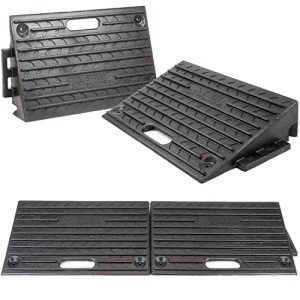
| Portable Ramp Ramps | Lightweight and easy to transport; appropriate for Temporary Wheelchair Ramp use. | Cost-effective; simple to shop and move. | May need manual setup and takedown. |
| Threshold Ramps | Developed to bridge little height distinctions at doorways. | Simple installation; can often be used inside. | Limited height; not ideal for high slopes. |
| Solid Surface Ramps | Constructed from products like wood or aluminum, these ramps supply robust assistance and stability. | Resilient; ideal for a variety of outside conditions. | Can need professional setup; irreversible. |
| Modular Ramps | Customizable ramps that can be reconfigured based upon altering requirements. | Flexible style; ideal for various heights. | Higher initial financial investment; permanence. |
| Folding Ramps | Can be folded for easy transportation and storage; typically made from lightweight products. | Flexible and Portable Ramps For Steps; easy to set up. | Restricted weight capability compared to strong ramps. |
Selecting the Right Ramp
Picking the suitable Foldable Wheelchair Ramps ramp for a home requires careful factor to consider of numerous elements. Here is a list of aspects to bear in mind:
Height and Incline:
- Measure the height difference between the ground and the entryway indicate guarantee the picked ramp is long enough to create a safe incline, generally a ratio of 1:12 (1 inch in increase = 12 inches in length).
Weight Capacity:
- Consider the weight capability of the ramp. Many ramps support in between 300 to 800 pounds, however it's important to check specific standards, especially for much heavier mobility gadgets.
Use:
- Determine if the ramp will be utilized mainly inside your home or outdoors, as this will affect the product and design choice.
Product:
- Ramps can be made from several products, including aluminum, wood, and fiberglass. Each includes its own set of benefits and drawbacks relating to durability, weight, and upkeep.
Setup:
- Assess whether you can set up the ramp yourself or if professional help is needed. Some ramps might require more complex construction abilities.
Local Regulations:
- Be mindful of any regional structure codes and guidelines relating to setup, particularly for irreversible structures.
Setup Considerations
When preparing to install a wheelchair ramp in your home, one should take specific considerations into account. These include:
Space: Ensure there is adequate area to accommodate the ramp without blocking other locations.
Structure: A strong and level structure helps keep stability and security.
Security Features: Look for ramps equipped with features such as non-slip surfaces, handrails, and side barriers.
Regularly Asked Questions (FAQ)
Q1: How do I figure out the slope of a wheelchair ramp?A: The recommended slope for Wheelchair Ramp Portable ramps is 1:12, meaning for every single inch of vertical increase, there must be at least 12 inches of ramp go to keep the incline workable and safe.
Q2: Are there financial support programs for wheelchair ramps?A: Yes, various governmental and non-profit companies offer grants and financial assistance for home modifications, including wheelchair ramps. Contact local disability services or structures for info.
Q3: Can I build a wheelchair ramp myself?A: Yes, depending upon your abilities, you can construct a ramp. However, you must follow local structure codes and security standards. For more intricate styles, hiring a professional is a good idea.
Q4: What upkeep do wheelchair ramps need?A: Regular assessment for wear and tear, checking for slippery surfaces, and ensuring that handrails stay protected are vital upkeep tasks. Clean the ramp occasionally to eliminate dirt and particles.
Q5: What are the common materials used for outside wheelchair ramps?A: Common products for outside ramps consist of aluminum, which is lightweight and rust-resistant, and treated wood, which is long lasting however might need more maintenance.
Home wheelchair ramps play a pivotal role in enhancing accessibility for individuals with mobility challenges. By comprehending the different types, setup considerations, and often asked questions, house owners can make educated decisions that will substantially enhance their loved ones' self-reliance and lifestyle. Ensuring that homes stay accessible not only breaks down physical barriers however likewise promotes an inclusive environment for everyone.
- 이전글 The Secret of Online Texas Holdem That No One is Talking About
- 다음글 Best Team Compositions In Apex Legends
댓글목록 0
등록된 댓글이 없습니다.