Victorian Architecture Conservatory Tools To Ease Your Daily Lifethe O…
페이지 정보
작성자 Corey 작성일 25-12-09 19:02 조회 2 댓글 0본문
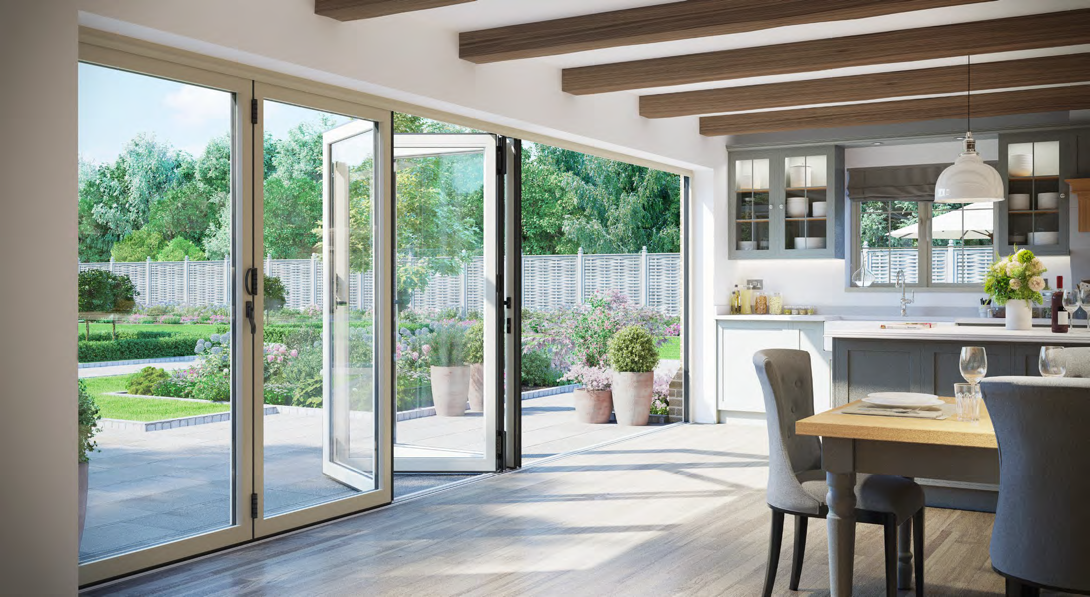
The Splendor of Victorian Architecture: A Focus on Conservatories
Victorian architecture represents a rich tapestry of design defined by elaborate detailing, eclectic designs, and an event of nature. Among the most charming aspects of this architectural motion is the Victorian conservatory-- a structure that seamlessly brings the outdoors inside. This post looks into the history, design components, and significance of Victorian conservatories, along with practical insights for those wanting to appreciate or recreate this timeless architectural function.
The Historical Context of Victorian Conservatories
A Brief Overview of the Victorian Era
The Victorian Era, spanning from 1837 to 1901, was a period of substantial socio-economic changes in England. It accompanied the Industrial Revolution, which stimulated advancements in construction techniques and products, such as glass and iron. This era marked a rise in the popularity of glasshouses and conservatories, providing a classy method for the upscale to cultivate unique plants while delighting in the charm of nature.
Design Evolution
Victorian conservatories were frequently connected to homes and featured intricate styles, showcasing a series of impacts from Gothic Revival, Italianate, and even Moorish designs. The introduction of large panes of glass allowed light to flood these areas, producing a warm and welcoming environment-- best for growing a range of plant types.
Secret Characteristics of Victorian Conservatories
| Characteristic | Description |
|---|---|
| Products | Primarily glass and wrought iron or cast iron. |
| Style | Eclectic with impacts from Gothic Revival and Queen Anne styles. |
| Functions | Decorative elements like finials, ornate gables, and sophisticated arches. |
| Performance | Worked as areas for botany enthusiasts and social gatherings alike. |
The Architectural Elements of Victorian Conservatories
Structure and Materials
Victorian conservatories are significant for their striking structures identified by expansive glass roofs and walls. These styles typically incorporate iron framing, enabling for large panes of glass that improve natural sunlight:
- Glazing: The glass roofings and walls frequently include complex patterns or even colored glass, including to their visual appeal.
- Iron Framework: Wrought iron and cast iron were preferred for their durability and capability to bear the weight of significant glass structures.
Decorative Features
Decoration plays a considerable function in Victorian Architecture Conservatory architectural visual appeals. Conservatories normally consist of:
- Finials: Decorative spikes often found at the peaks of gables, contributing to the grandeur.
- Cresting: Ornamental decorations along the ridge of the roof.
- Gables and Arches: Featuring pointed arches or Romanesque elements that enhance the entrance and silhouette.
Interior decoration
Victorian conservatories typically reflected the excesses of the period, showcasing:
- Furnishings: Luxurious and comfortable seating, usually accompanied by elaborate decorations and soft home furnishings.
- Plant Arrangements: Exotic and vibrant plants organized for visual impact, typically in ornate pots.
The Significance of Victorian Conservatories Today
Victorian Conservatory Installation conservatories continue to wield influence in contemporary architecture for numerous reasons:
A Window to Nature
The design highlights a connection between the inside and outdoors. This connection promotes not just a gratitude for nature however also provides psychological health advantages, adding to a sense of serenity and wellness.
Adaptability and Functionality
Contemporary house owners gravitate towards these spaces for different functions, whether it be a sun room, greenhouse, or a space for relaxation and home entertainment.
Sustainable Practices
Modern conservatories typically make use of energy-efficient glass, modern heating, and cooling systems, enabling sustainable gardening practices.
FAQs on Victorian Conservatories
1. What is the normal size of a Victorian conservatory?Victorian conservatories differ widely in size, frequently customized to the house owner's preferences. Common measurements can vary from a small area(10x10 feet) to larger installations (30x20 feet or more). 2. How can I keep a Victorian conservatory?Regular maintenance involves cleaning the glass panels, examining for damage in the iron framework
, guaranteeing proper heating or cooling devices, and caring for plants properly. 3. What is the cost of constructing a Victorian conservatory?Costs can vary significantly based on size, materials, and personalization. An easy installation may begin around ₤ 10,000, while more
complicated designs can surpass ₤ 30,000. 4. Can I produce a contemporary Victorian conservatory?Yes! Modern technology permits making use of energy-efficient products while maintaining the traditional aesthetic.
Consider including sustainable practices in your
design. Lists to Consider When Designing a Victorian Gazebo Installers Conservatory Important Features to Include Large Glass Panels: Opt for low-iron glass to make the most of light transmission. Ornamental Ironwork: Incorporate
elaborate framing and details. Climate Control: Consider contemporary heating and
ventilation systems. Planters and Shelves:
Maximize plant display choices. Furniture: Include comfy seating for relaxation.Plants Ideal for Victorian Conservatories Ferns: Thrive in humid environments,including rich greenery. Orchids: Offer lovely blossoms and exotic appeal.Citrus Trees: Providefragrance and fruit while enhancing the atmosphere. Succulents: Require less maintenance with sensational architecturalshapes. Climbing up Plants: Ideal for vertical space,
providing a dramatic effect. Victorian conservatories are more than simply stunning architectural aspects-- they embody a spirit of connection with nature, servingas peaceful retreats that boost any home. With the Best Victorian Orangery Specialists design factors to consider, upkeep techniques, and a selection of dynamic plants, one can recreate this charming feature, ensuring that the legacyof Victorian architecture continues to inspire future generations. Whether for individual enjoymentor as a functional space, a Victorian conservatory stands as an ageless sign of sophistication and elegance in architectural design.
댓글목록 0
등록된 댓글이 없습니다.