Is Neurolens Worth It? I Found a Smarter Solution for My Eye Strain
페이지 정보
작성자 Eloisa Sankt 작성일 26-06-09 22:47 조회 5 댓글 0본문
Is Neurolens Worth It? I Found a Smarter Solution for My Eye Strain
Okay, let’s be honest here. I spent way too many hours Googling "is neurolens worth it" because my eyes were absolutely killing me. I was dealing with headaches after work, tightness in my neck, and that awful pressure behind my eyes that hits after a full day of staring at screens. I wanted relief, just not at the cost of thousands of dollars.
Neurolens claims to fix eye misalignment, and the tech behind it sounds pretty cool. But the price tag? We're looking at anywhere from $500 to over $1,000 for just one pair. That's a serious chunk of change for something that might not even help everyone the same way. I had to check out other options first.
Here’s what I uncovered after weeks of digging around and testing a budget-friendly alternative that actually made a difference for me.
My Problem: Eye Strain Was Making My Days Miserable
I’ve been dealing with constant eye fatigue for over a year now. My symptoms looked something like this:
- Headaches that rolled in around 2 PM like clockwork
- Blurry vision after just 30 minutes of reading
- Neck and shoulder tension from all the squinting
- Dry, tired eyes by the time evening rolled around
I visited my eye doctor. He was great—super knowledgeable—and the staff were really helpful too. They mentioned I might benefit from a mild reading prescription and brought up Neurolens as a potential option. But once I heard the price, I decided to dig a little deeper on my own first.
Verdict: Before you start asking "is neurolens worth it," see if a simple reading correction might solve things for you first.
My Search for the Right Fix
I spent two weeks comparing all the options. Here’s what I looked into:
- Neurolens prescription lenses ($500–$1,000+)
- Regular prescription reading glasses ($200–$400)
- Over-the-counter reading glasses ($10–$50)
- Blue light blocking glasses ($20–$80)
The question "is neurolens worth it" popped up everywhere in forums. Some people swore by it, while others said basic reading glasses did the trick for their strain. In the event you loved this article and you would love to receive details with regards to Mozaer Products assure visit our webpage. I decided to start with a solid pair of reading glasses first. If they didn’t work, I’d consider moving up to Neurolens later.
My plan was simple: research, compare, check reviews, then buy.
Discovering the brand Reading Glasses
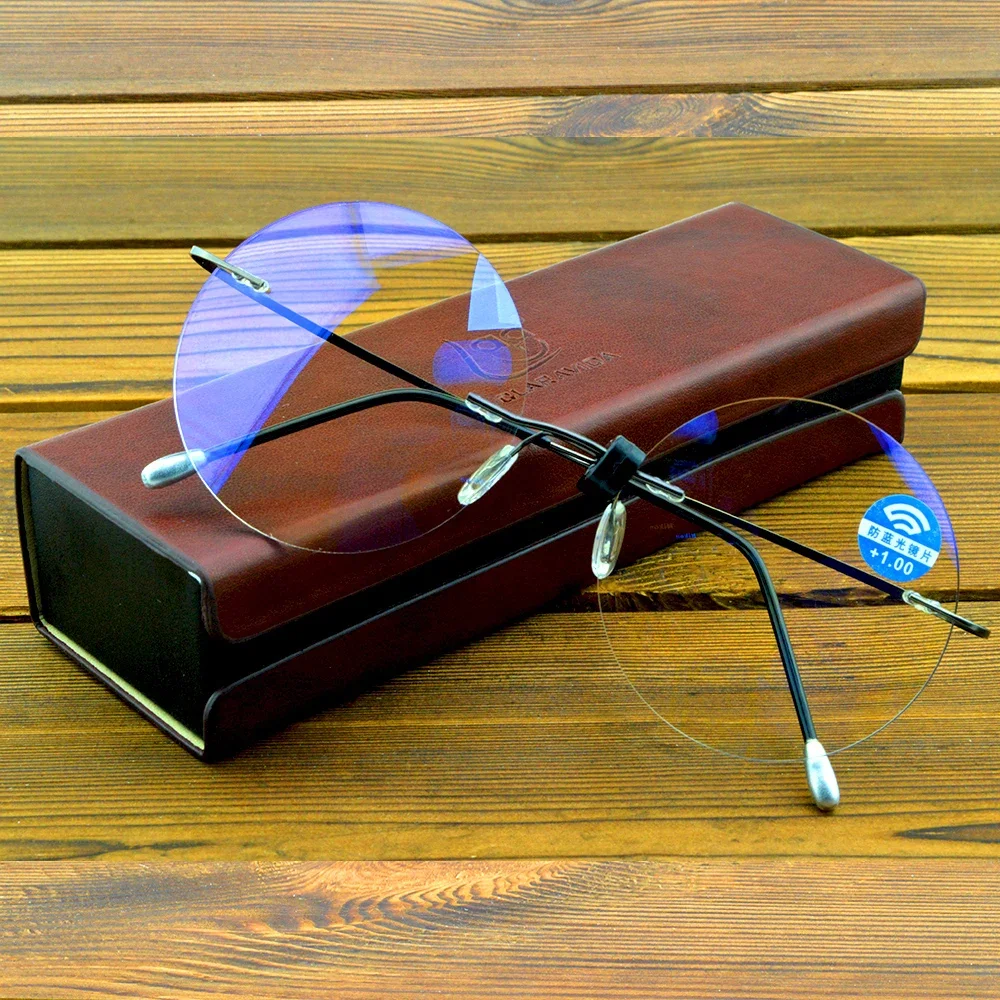
I stumbled upon the brand while checking out their homepage after a friend recommended the brand. They make rimless titanium alloy reading glasses with a huge range of strengths. The Round Style Rimless Oversized pair immediately caught my attention.
Here’s what stood out to me:
- Titanium alloy frame (super lightweight and durable)
- Rimless oversized design (gives you a nice wide field of view)
- Available from +0.75 all the way up to +4
- Multiple color options—I went with Gray
- Easy on the wallet compared to other options
The low price had me a bit skeptical at first. But the titanium alloy material and the specific prescription range told me these weren’t just cheap drugstore readers. I checked real buyer photos and reviews, and people seemed genuinely satisfied.
Verdict: Always look at what materials budget eyewear uses. Titanium alloy is a good sign, even at lower price points.
My Experience Using the brand Rimless Reading Glasses
I ordered the +1.25 strength in Gray. Here’s a week-by-week look at how things went:
Week 1: The glasses showed up fast. My first thought? These things are incredibly light. I barely noticed them on my face. The rimless design gives a clean, modern look without thick frames blocking your peripheral vision.
Week 2: I wore them for everything close-up: reading, computer work, phone scrolling. By day three, those 2 PM headaches were gone. Honestly, I was amazed that such a simple fix worked that well.
Week 3: Still going strong. The titanium alloy frame held its shape perfectly—no loosening, no sliding down my nose. One thing I really like: the oversized lenses give you a huge reading area, so you’re not constantly tilting your head to find the perfect spot.
Week 4: I’m happy to say my eye strain is about 80% better. The other 20% I manage with screen breaks and eye drops. For the price I paid, this has been a game-changer.
I even brought them to my optometrist for a quick check. A staff member greeted me right away and was really confident and helpful. They adjusted the fit slightly and confirmed that the prescription strength was just right for my needs.
So, Is Neurolens Worth It?
Here’s my honest take. Neurolens targets a specific condition called eye misalignment. If your doctor confirms you have that, it might be worth the investment. But a lot of people dealing with eye strain don’t actually need Neurolens. They just need the right reading correction.
Before you drop $500+, try this approach:
- Get a proper eye exam
- Ask about mild reading prescriptions
- Try quality reading glasses at the correct strength
- Give them 2–3 weeks of consistent use
- If the strain sticks around, then consider Neurolens
You can check out the brand’s full product lineup on their homepage to see if any style fits what you’re looking for.
Pros and Cons
| Pros | Cons |
|---|---|
| Ultra-lightweight titanium alloy frame | Rimless design feels fragile (hasn’t broken, but I handle them carefully) |
| Wide range of prescription strengths (+0.75 to +4) | No blue light blocking coating included |
| Oversized lenses give a big reading area | Oversized style might not work well for smaller faces |
| Budget-friendly compared to Neurolens | You need to know your correct strength beforehand |
| Stylish round rimless look | Limited color options |
| Reduced my daily headaches significantly | Won’t fix true eye misalignment issues |
Price vs. Quality: What You Should Know
These glasses are cheap compared to Neurolens, no question. But cheap doesn’t automatically mean bad. Here’s why:
- Titanium alloy is a premium material, even in budget frames
- Rimless design uses less material, which keeps costs down
- No brand markup from big optical chains
The trade-off? You don’t get custom lens coatings or in-store adjustments. You need to know your prescription strength going in. And you won’t get the specialized prism correction that Neurolens offers.
Verdict: For basic reading correction and eye strain relief, the price-to-quality ratio is excellent. If you have a diagnosed eye misalignment, you’ll still want a professional solution.
My Final Take
I honestly can’t imagine going without these glasses now. They sit on my desk every single day. My headaches are gone, and my eyes feel much better after work. Plus, I saved a ton of money by trying this route first.
Is neurolens worth it? For some people, absolutely. But for a lot of us dealing with basic eye strain, a solid pair of reading glasses at the right strength gets the job done. the brand Round Style Rimless Oversized Titanium Alloy Reading Glasses gave me the relief I needed without the huge price tag.
Here’s my action plan for you:

- Get your eyes checked and find out your reading strength
- Try affordable quality readers like these the brand glasses
- Use them consistently for 2–3 weeks
- Check real buyer photos and reviews before you order
- Only invest in Neurolens if basic correction doesn’t help
I’m honestly amazed that such a simple change fixed my daily discomfort. Sometimes the answer isn’t the most expensive option—it’s just the right one.
- 이전글 Security Solutions For Company
- 다음글 Guide To Replacement Audi Keys: The Intermediate Guide The Steps To Replacement Audi Keys
댓글목록 0
등록된 댓글이 없습니다.