What are the Various Kinds Of Tracking Devices?
페이지 정보
작성자 Arnoldo 작성일 25-12-03 20:03 조회 3 댓글 0본문

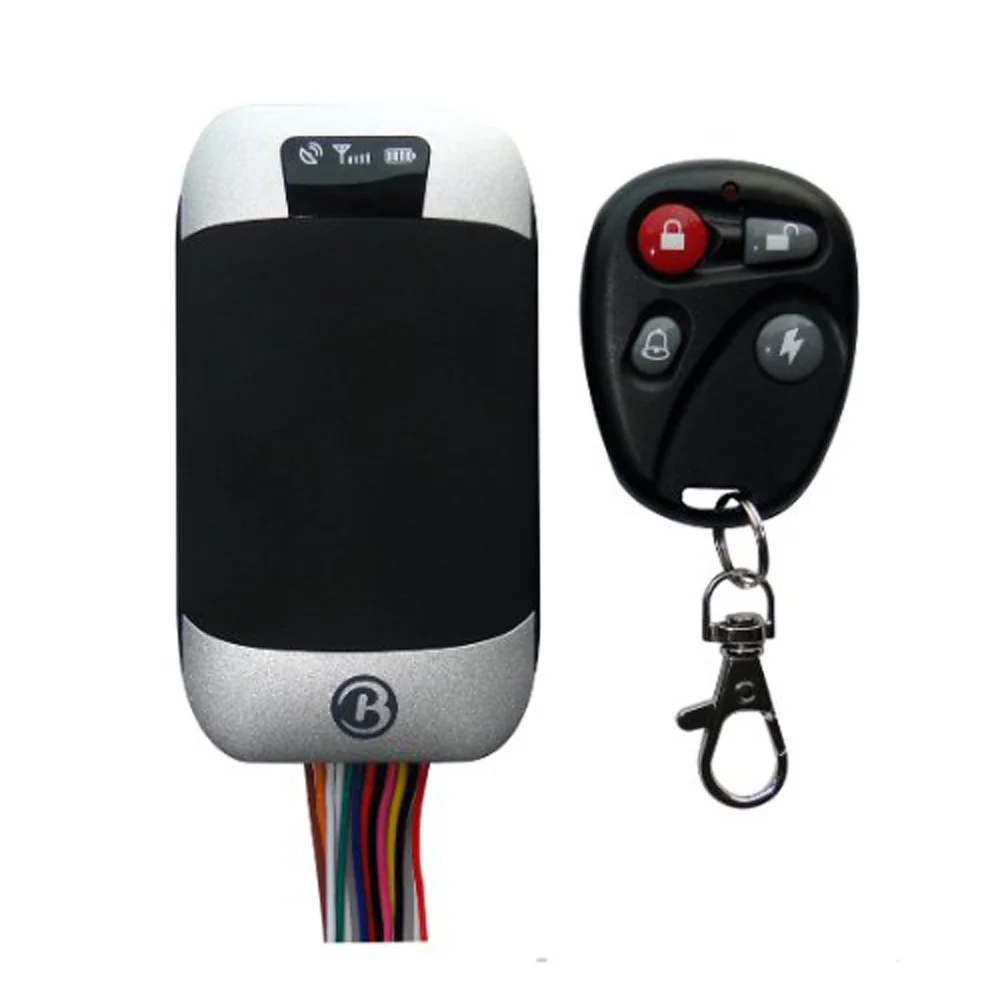 However, attributable to their dependence on driver compliance, they’re not your best option for prioritizing security. Electronic logging gadgets (ELDs) allow shippers and 3PLs to track a number of driving actions. Unlike cellphones, ELDs are primarily hardwired GPS trackers that offer extra reliable, actual time data. For sure travel distances, the Federal Motor Carrier Safety Administration (FMCSA) requires that drivers use these devices. "By recording driving time and tractor movement, shippers can extra simply establish where their cargo is headed," mentioned Dragonetti. "However, when monitoring a shipment using ELD information, you are limited in your potential to track different segments of a multimodal shipment. Additionally, as a result of ELDs are required by the FMCSA, criminals know to expect them in a tractor. This important menace of elimination by thieves poses a problem, as the second an ELD is pulled out of a car, its tracking capabilities stop. Additionally, the ELDs solely monitor cabs/tractors, not trailers. Thieves will usually re-energy a trailer, or simply take the cargo, which renders the ELD moot.
Thus, while ELDs are generally necessary and needs to be a part of your tracking answer, they should not be your only system. ELDs and trailer telematics share much in widespread. However, whereas ELDs are present in tractors, trailer telematics are used in trailers. Though seemingly small, this distinction makes trailer telematics a much more safe answer. "A potential disadvantage of ELDs is that thieves may not steal the tractor along with its cargo," Dragonetti explained. "Instead, they could take the trailer but use a distinct tractor to maneuver it. In different words, figuring out the situation of a tractor is probably not adequate for recovering a load, because the tractor could not remain with the stolen trailer or cargo. Ultimately, the cargo is what should be tracked, and trailer telematics provides a more dependable methodology for doing so. However, covert devices supply an much more reliable answer. Covert units are the very best gadgets for tracking a cargo’s location. These units will all the time stay with the cargo, which implies they’re much more reliable than cell, ELD, or telematics.
"A covert gadget can present more correct and dependable location data, even if the tractor or trailer changes," said Dragonetti. "If you transport a multimodal shipment, it's possible you'll lack visibility because it crosses the ocean or shifts between road and rail. Additionally, if a shipper’s cargo leaves a facility, they could not know if it will likely be pulled by the identical tractor the whole time. It may very well be dropped off with another person. Covert IoT devices can are available varied kinds, reminiscent of reusable, disposable, or with Bluetooth seals. They will easily be embedded and hidden inside cargo, making it tough for a thief to search out and dispose of them. Additionally, using more than one covert machine can allow for even higher monitoring and security capabilities. At the identical time, covert units are a dearer answer, iTagPro product and they can be limited in their skills. Many are solely able to offer location monitoring, whereas different units can monitor temperature, shock, and so forth. If these functionalities are essential to a shipper, it’s essential to use a covert gadget that may present them.
Otherwise, they should use the machine in tandem with another solution. How do these gadgets report location? Although "GPS device" is a standard time period, the gadgets above report their location by way of a variety of means together with cell, Wi-Fi, and GPS. There are some distinct differences between the three strategies. For example, a machine locating itself via GPS will drain battery too quickly for many shipments, so the cell and Wi-Fi locates can be used during the majority of a shipment. This saves the battery for situations the place you want more accurate GPS locates, e.g. recovering cargo. Additionally, GPS gadgets use satellite indicators for location, whereas Wi-Fi and cellular units use local networks to determine location. In all three cases, the machine will obtain signals in order to find out location. It's going to then transmit the monitoring info and other sensor knowledge back to stakeholders. These stakeholders can then use this knowledge to monitor the location and condition of their cargo. Through these insights, shippers and 3PLs can optimize their supply chain operations.
댓글목록 0
등록된 댓글이 없습니다.