The 10 Most Terrifying Things About Gutter Downpipes
페이지 정보
작성자 Carlos 작성일 26-05-24 06:25 조회 3 댓글 0본문
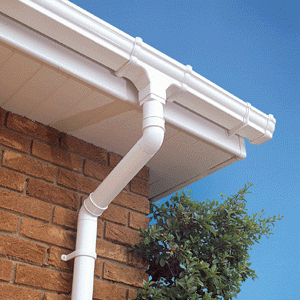
Understanding Gutter Downpipes: An Essential Component of a Well-Functioning Drainage System
Gutter Guards Installation downpipes play a vital function in maintaining the stability of any structure's drainage system. Typically overlooked, these vertical pipes are essential in directing rainwater from the roof and gutters to the ground or into a drainage system. This post delves into the significance of gutter downpipes, their numerous types, installation pointers, maintenance, Seamless gutters and typical FAQs surrounding the topic.
What Are Gutter Downpipes?
Gutter downpipes, likewise called rainwater pipes or downspouts, are vertical tubes that move water collected in the gutters to the ground, where it can be diverted away from the building's structure. Their main function is to avoid water from building up in unwanted areas, which might lead to structural damage, soil erosion, and other expensive issues.
Significance of Gutter Downpipes
The significance of gutter downpipes can be summed up in the following points:
- Protects Foundation: Downpipes guarantee that water is directed far from the building's foundation, lowering the risk of cracks and structural damage.
- Avoids Erosion: By directing water away, downpipes can reduce soil erosion around the property's border.
- Promotes Healthy Soil: Proper drainage can assist keep soil quality and health, fostering better plant development.
- Improves Building Longevity: A well-designed drainage system, including downpipes, can extend the lifespan of roofing materials and lower maintenance expenses.
Kinds Of Gutter Downpipes
Gutter downpipes can be made from numerous materials and be available in several styles. Listed below, we classify them into types based upon material:
| Material | Benefits | Downsides |
|---|---|---|
| PVC | Lightweight, corrosion-resistant, and easy to set up. | Can end up being breakable in severe temperature levels. |
| Aluminum | Resilient and resistant to rust. | More expensive than PVC; can damage easily. |
| Steel | Strong and extremely durable. | Requirements regular maintenance to prevent rust. |
| Copper | Aesthetic appeal and durability; develops a patina over time. | Pricey and can be susceptible to theft. |
| Cast Iron | Incredibly durable and minimal maintenance. | Heavy and can be costly to set up. |
Selecting the Right Downpipe
When choosing a gutter downpipe for a building, consider the following elements:
- Material: Choose based upon budget, aesthetics, and life expectancy.
- Size: Larger diameters can carry more water; guarantee it matches the size of the gutter.
- Style: Select a style that complements the architectural design of the building.
Installation of Gutter Downpipes
Appropriate installation of gutter downpipes is essential for ideal performance. Below is a detailed guide to setting up downpipes:
- Gather Materials: Ensure you have all necessary tools and materials, including downpipes, brackets, screws, and adhesives.
- Measure and Cut: Determine the needed length of the downpipe and drainage cut it to size.
- Position the Downpipe: Place the downpipe against the wall, ensuring it lines up with the gutter outlet.
- Installing: Secure the downpipe using brackets at routine intervals, typically every 1.5 to 2 meters.
- Connect to Gutter: Attach the top of the downpipe to the gutter outlet, making sure a tight fit to prevent leaks.
- Direct the Water: Make sure the downpipe terminates away from the foundation, such as into a rainwater collection system or a drainage channel.
Maintenance Tips for Gutter Downpipes
Regular maintenance is vital for the longevity of gutter downpipes. Here are some ideas:
- Clear Debris: Remove any particles, such as leaves and twigs, that may obstruct the downpipes.
- Check for Damage: Regularly look for indications of corrosion, cracks, or obstructions.
- Flush with Water: Periodically flush downpipes with water to clear any blockages.
- Secure Brackets: Ensure that mounting brackets are securely connected to prevent sagging.
- Examine Seals: Inspect the joints and seals for leaks and reapply sealant as necessary.
Typical FAQs about Gutter Downpipes
1. How often should I clean my gutter downpipes?
It is a good idea to clean your gutter downpipes a minimum of twice a year or more frequently if you reside in a location with lots of trees.
2. What size downpipe do I require for my gutters?
The size depends upon your gutter system; generally, a 75mm (3-inch) downpipe appropriates for the majority of residential gutters, but larger systems may need 100mm (4-inch) downpipes.
3. Can I install downpipes myself?
Yes, if you have some DIY experience, you can install downpipes. However, speaking with a professional might be helpful, particularly for complex systems.
4. What are the signs of a clogged downpipe?
Indications consist of overruning Clogged Gutters, water pooling near the structure, and noticeable particles in the downpipe.
5. Exist any policies relating to the installation of downpipes?
Yes, local building codes often determine particular guidelines for setting up gutters and downpipes. It is crucial to talk to your local authority for compliance.
Gutter downpipes are an essential aspect of any building's drainage system, serving to protect the foundation and improve the total durability of the home. Understanding the types, installation methods, and maintenance requirements for downpipes can empower house owners and home builders alike to make informed decisions concerning their drainage systems. With proper care and attention, gutter downpipes can operate successfully for several years, ensuring the durability and integrity of the structure.
- 이전글 Evoplay Games – Play For Real Money - It Never Ends, Until...
- 다음글 7 Useful Tips For Making The Most Out Of Your ADHD Private
댓글목록 0
등록된 댓글이 없습니다.