Nine Things That Your Parent Teach You About Shipping Container Design
페이지 정보
작성자 Buster 작성일 26-05-22 15:34 조회 3 댓글 0본문
Innovative Shipping Container Design: Transforming Spaces
Introduction
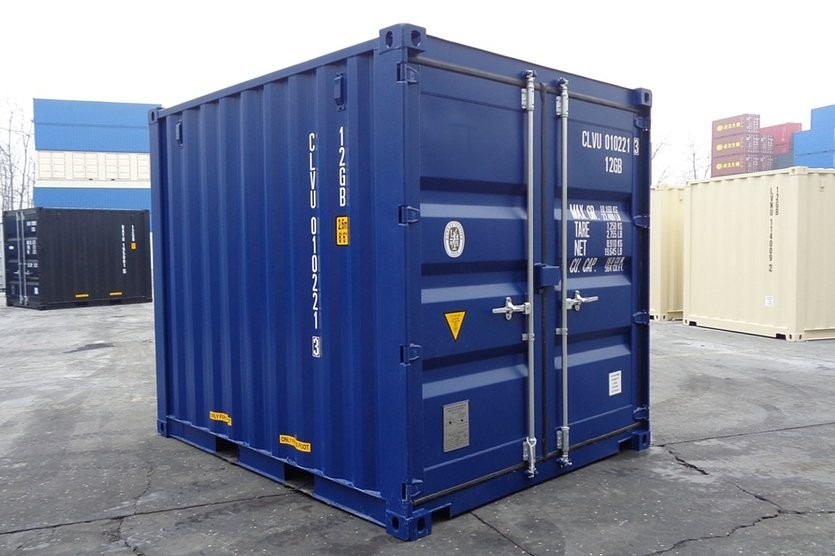
In recent years, shipping container design has actually progressed beyond simple storage and transport. Designers, contractors, and innovators have acknowledged the potential of these flexible steel boxes as an alternative structure product. With their intrinsic durability, sustainability, and price, shipping containers are being repurposed into homes, workplaces, retail spaces, and even schools. This article will explore the ingenious styles that showcase the incredible possibilities of Shipping Container Homes containers, diving into their benefits, difficulties, and often asked concerns.
The Versatility of Shipping Containers
Shipping containers can be found in numerous sizes and types, making them versatile for several applications. Below is a table that classifies the various shipping container types:
| Container Type | Dimensions (L x W x H) | Use Case |
|---|---|---|
| Standard Container | 20 ft x 8 ft x 8.5 feet | Storage, housing |
| High Cube Container | 40 feet x 8 feet x 9.5 feet | More interior area, housing |
| Refrigerated Container | 40 feet x 8 ft x 9.5 feet | Cold storage for perishable goods |
| Open Top Container | 40 feet x 8 feet x 8.5 feet | Filling tall or large products |
| Flat Rack Container | 40 feet x 8 ft x 8.5 feet | Transportation of heavy devices |
This table illustrates the adaptability of shipping containers, dealing with various needs from simple shelters to more intricate structures.
Advantages of Shipping Container Design
Shipping containers provide different benefits that make them an attractive choice for modern design projects. Here are a few of the most noteworthy benefits:
Durability: Made from corten Steel Shipping Containers, shipping containers are resistant to deterioration and can withstand extreme weather condition conditions.
Sustainability: Repurposing containers for construction significantly lowers the carbon footprint related to standard building materials. It also promotes recycling.
Cost-Effectiveness: Containers are frequently more cost effective than conventional building materials, making them an economical alternative for lots of tasks.
Modularity: Their standardized size enables easy stacking and transport, enabling fast assembly and disassembly.
Customizability: Architects can customize and integrate containers to produce special, personalized spaces that show the end-users' needs and preferences.
Innovative Uses of Shipping Containers
The prospective usages for Shipping Container Depot containers are almost unlimited. Below is a list of ingenious applications currently being explored in the design market:
Residential Homes: Shipping containers are frequently transformed into modern homes, providing distinct designs and designs.
Pop-Up Shops: Retailers use containers as short-term or long-term sales areas in metropolitan environments, supplying a trendy alternative to standard storefronts.
Community Centers: Shipping containers can be changed into community hubs, supplying spaces for entertainment and social interaction.
Offices: Many companies are choosing container office areas, which can be customized to create effective and motivating work environments.
Educational Facilities: Schools are utilizing shipping containers for class or libraries, particularly in locations where building materials are scarce.
Obstacles in Shipping Container Design
While shipping containers use many advantages, there are likewise challenges to consider. Comprehending these difficulties is essential for anyone aiming to enter the world of container design:
Insulation: Containers typically require additional insulation to preserve comfortable temperatures, as metal performs cold and heat.
Ventilation: Proper ventilation systems need to be included to ensure air quality and comfort.
Building Codes: Compliance with local building regulations and zoning laws can complicate container construction.
Structural Integrity: Modifying containers can compromise their structural stability, requiring mindful planning and engineering.
Minimal Space: While containers are modular, their interior area might be restricted, requiring creative design solutions.
FAQs About Shipping Container Design
1. Are shipping containers safe to live in?
Yes, shipping containers can be safe to reside in if appropriately modified. It is vital to guarantee that they are structurally sound, insulated, and geared up with sufficient ventilation.
2. Just how much does it cost to convert a shipping container into a home?
The cost varies based on modifications, area, and permits, but on average, a basic container home can vary from ₤ 10,000 to ₤ 50,000.
3. Do I need licenses to build with shipping containers?
Yes, structure permits might be required depending upon regional regulations. It is important to consult local authorities to make sure compliance.
4. The length of time do shipping containers last?
With proper upkeep, shipping containers can last for 25 years or more. However, direct exposure to harsh conditions may impact their lifespan.
5. Can shipping container homes withstand extreme weather?
Yes, containers are developed to hold up against severe conditions, consisting of high winds and heavy snow loads. Nevertheless, appropriate insulation and ventilation are required to ensure convenience in severe climates.
As the architectural landscape continues to progress, shipping container design becomes a practical and ingenious solution for numerous building needs. Their versatility enables imaginative flexibility, making them an appealing choice for domestic, commercial, and common tasks. With the right preparation and execution, shipping containers can end up being not simply practical areas however also striking architectural declarations that promote sustainability and creativity in design. The journey into the world of shipping container design is amazing and complete of possibilities, using something for everybody, whether they are an architect, a home builder, or a curious private trying to find unique living areas.
- 이전글 How Purchase Finnish Driving Permit Was The Most Talked About Trend In 2024
- 다음글 Can You really Find Fazi Casino Games – Full List (on the internet)?
댓글목록 0
등록된 댓글이 없습니다.