Guide To Vintage Espresso Machine: The Intermediate Guide To Vintage E…
페이지 정보
작성자 Myrna 작성일 25-11-16 02:36 조회 2 댓글 0본문
The Charm of Vintage Espresso Machines: A Journey Through Time
Worldwide of coffee lovers, few items stimulate fond memories and admiration like vintage espresso machines. These perfectly crafted gadgets not only brew extraordinary coffee but also function as art pieces that tell stories of bygone eras. This article checks out the allure of vintage espresso machines, their history, key features to consider when buying one, and informative tips for maintaining these classic treasures.
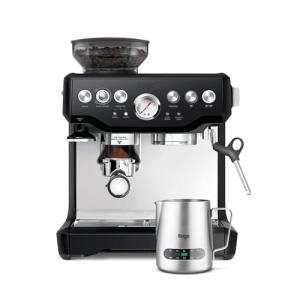
A Historical Overview
The history of espresso machines is rich and varied, reflecting broader shifts in coffee culture and technology. Below is a timeline highlighting the advancement of espresso machines through the years:
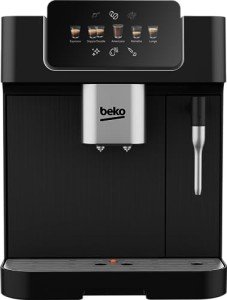
| Year | Advancement |
|---|---|
| 1901 | The very first espresso machine, the "Il Martelli," is developed by Luigi Bezzera in Italy. |
| 1905 | Desiderio Pavoni patents an improved version, leading the way for commercial espresso machines. |
| 1947 | The Faema E61 is presented, featuring a revolutionary design that utilizes an integrated pump and boiler. |
| 1950s | The introduction of home espresso machines starts, promoted by brands like Gaggia and La Pavoni. |
| 1970s | The specialized coffee motion begins, additional improving the Espresso Coffee Machine machine's appeal. |
| 1990s | Technological developments lead to the advancement of super-Automatic Espresso Machine machines, though vintage designs continue to be highly demanded. |
These turning points mark significant developments and changes in the espresso machine's design, functionality, and role in coffee culture.
Why Collect Vintage Espresso Machines?
Vintage espresso machines are more than simply functional gadgets; they are signs of workmanship, fond memories, and the sustaining love for coffee. Here are a number of reasons that collectors and baristas alike are drawn to these machines:
1. Craftsmanship
Numerous vintage models were handcrafted with a level of precision and quality that is hard to discover in modern mass-produced machines. Their tough build and unique designs make them standout pieces.
2. Visual Appeal
From the sophisticated curves of chrome accents to the heat of wood manages, vintage espresso machines typically show sensational aesthetics that can elevate any kitchen area or coffee shop decoration.
3. Distinct Brewing Experience
Older machines often deliver a various taste profile than modern machines due to different developing approaches, which can appeal to home baristas trying to find a distinct taste.
4. Historical Significance
Owning a vintage espresso machine links the modern coffee enthusiast to an abundant heritage of coffee culture, offering a tangible connection to the history of coffee-making.
Secret Features to Consider
When delving into the world of vintage espresso machines, it's vital to keep numerous functions in mind to ensure you're making an informed purchase. Here are some crucial elements to consider:
1. Build Quality
Look for machines with a robust stainless-steel or brass body. Ensure that elements, such as the portafilter and steam wand, are undamaged and functional.
2. Boiler System
Consider whether the machine has a single or double boiler system. Double boilers enable simultaneous developing and steaming, supplying greater performance.
3. Pump Type
Vintage machines might have either a lever or an electric pump. Lever machines require Manual Espresso Machine operation and can be a rewarding challenge for knowledgeable baristas.
4. Components Availability
Check if extra parts are readily offered. Machines from well-known brands might have better support in terms of upkeep and repair work.
5. Aesthetics
Select a machine that resonates with your personal design-- whether that be sleek metal finishes or complex detailing.
Tips for Maintaining Vintage Espresso Machines
Proper care is important to keep vintage espresso machines functional and looking their best. Here are useful maintenance tips:
Regular Cleaning: Clean the portafilter, group head, and steam wand after every use to keep taste quality and machine efficiency.
Descaling: Descale the machine every 3-6 months using a suitable descaling agent to avoid mineral build-up that impacts performance.
Check Seals and Gaskets: Regularly examine gaskets and seals for wear. Replacing these small parts can considerably improve the machine's function.
Professional Servicing: Consider taking your machine for professional maintenance every few years to deal with any technical problems.
Storage: If not utilized frequently, store the machine in a dry, cool place to prevent damage from humidity and temperature fluctuations.
Frequently Asked Questions (FAQs)
Q1: How much does a vintage espresso machine expense?
A1: Vintage espresso machines can vary from ₤ 100 to several thousand dollars, depending on the brand, design, rarity, and condition.
Q2: Can I utilize a vintage machine for everyday developing?
A2: Yes, vintage machines can be utilized daily, but they might require more maintenance than modern machines. It's suggested to familiarize yourself with the particular model's requirements.
Q3: Are vintage espresso machines worth the financial investment?
A3: Many coffee enthusiasts find worth in vintage machines for their aesthetic appeal, distinctive developing qualities, and historical significance. They can also appreciate in worth over time.
Q4: Where can I buy vintage espresso machines?
A4: Vintage espresso machines can be discovered at coffee boutique, estate sales, antique shops, and online marketplaces such as eBay or specialized vintage coffee devices websites.
Q5: Can I repair a vintage espresso machine myself?
A5: Some repairs can be DIY, specifically for small issues. Nevertheless, more complex repair work may require the knowledge of a professional technician familiar with vintage machines.
Vintage espresso machines are more than simple kitchen area home appliances; they represent an abundant marital relationship of art, history, and coffee culture. Understanding their origins, functions, and upkeep can improve the experience of owning one of these stunning machines. Whether you are a collector, a home barista, or simply someone enthusiastic about coffee, purchasing a vintage espresso machine may simply be the ideal way to delight in coffee through the lens of history.
- 이전글 Guide To Latch Lock Replacement: The Intermediate Guide The Steps To Latch Lock Replacement
- 다음글 Five Killer Quora Answers On Quality Window Repair
댓글목록 0
등록된 댓글이 없습니다.