Guide To Disability Ramps: The Intermediate Guide For Disability Ramps
페이지 정보
작성자 Concepcion 작성일 25-11-10 08:37 조회 2 댓글 0본문
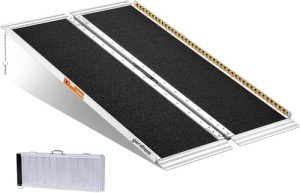
Understanding Disability Ramps: A Comprehensive Guide
In a world that aims to be inclusive and available to all individuals, disability ramps play a crucial function in bridging the gap in between various capabilities. These essential structures allow people with mobility disabilities to access structures and public spaces safely and conveniently. In this post, we will check out the various elements of disability ramps, including their types, benefits, guidelines, and setup considerations.
What Are Disability Ramps?
Disability ramps, likewise known as wheelchair ramps, are likely surfaces designed to help individuals with mobility challenges in accessing raised surface areas, such as structures, pathways, and automobiles. They are vital parts of universal style-- an idea that promotes accessibility for people of all abilities.
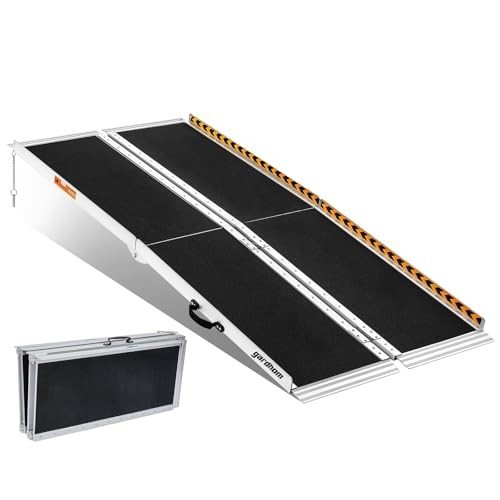
Types of Disability Ramps
There are several kinds of disability ramps, each serving specific requirements and environments. Below is a table outlining the most common types:
| Type of Ramp | Description | Suitable Use Cases |
|---|---|---|
| Portable Ramps | Lightweight, foldable ramps developed for temporary usage. | Home usage, temporary events, taking a trip. |
| Foldable Ramps | Comparable to portable ramps however more robust; can be used in cars. | Cars, homes, temporary structures. |
| Permanent Ramps | Built-in ramps made of concrete or wood, designed for long-term use. | Permanent structures, public spaces. |
| Threshold Ramps | Brief ramps developed to fill the gap triggered by door thresholds. | Home entrances, doorways, and entrances. |
| Modular Ramps | Pre-fabricated ramps made of aluminum that can be put together on-site. | Industrial buildings, public locations. |
Advantages of Disability Ramps
The addition of disability ramps is not simply a regulative requirement however likewise an ethical responsibility. The advantages of installing disability ramps extend far beyond simple compliance. Here's a list of the advantages:
Increased Accessibility: Ramps produce a path for people who use wheelchairs, scooters, or other mobility gadgets, permitting them to access structures and public spaces without obstacle.
Boosted Independence: With the provision of ramps, people with mobility difficulties can browse their environments more freely, promoting independence and self-sufficiency.
Legal Compliance: Various policies and laws, consisting of the Americans with Disabilities Act (ADA), make it obligatory for public and private entities to provide available facilities.
Improved Safety: Ramps lower the danger of accidents connected to stair access, providing a more secure alternative for individuals with mobility disabilities.
Inclusivity and Community Building: Installing ramps shows a commitment to inclusivity, cultivating a sense of community and acceptance amongst people of all abilities.
Regulations and Standards
When setting up disability ramps, adhering to specific guidelines and standards is important. In the United States, the Americans with Disabilities Act (ADA) supplies standards governing ramp construction. Below are a few of the key technical requirements:
| Specification | Requirement |
|---|---|
| Slope ratio | Minimum 1:12 (increase to run) |
| Width | Minimum of 36 inches |
| Surface | Non-slip, firm surface area |
| Height | Optimum rise of 30 inches without landings |
| Handrails | Required for ramps over 6 inches increase |
These requirements ensure that ramps are safe and practical for their intended users. Regional building regulations should likewise be spoken with, as they may have extra requirements.
Installation Considerations
Setting up a disability ramp involves cautious planning and execution. Here are a number of factors to consider throughout the procedure:
Site Evaluation: Assess the location where the ramp will be installed. Consider the existing terrain and any barriers that might impact accessibility.
Licenses and Compliance: Determine if regional guidelines need permits for ramp installation. Be sure to comply with building codes and ADA guidelines.
Material Selection: Select proper products that are durable and efficient in holding up against weather conditions. Typical materials include wood, aluminum, concrete, and fiberglass.
Design Features: Ensure the ramp includes style functions such as hand rails, landings for rest, and surface area textures to prevent slips and falls.
Upkeep: Schedule regular assessments and upkeep to make sure ramps stay safe and practical over time. Address issues such as wear and tear, surface area damage, or blockages.
Frequently Asked Question About Disability Ramps
1. How steep can a disability ramp be?The ADA
advises an optimum slope of 1:12 for wheelchairs, implying for every inch of height, there should be at least 12 inches of horizontal run.
2. Are ramps required in personal homes?While not lawfully needed for personal homes, setting up ramps can substantially improve accessibility for household members or visitors with disabilities. 3. Can ramps be made to fit any space?Yes, ramps can be customized or modular to fit a range of spaces, taking into consideration height, width, and site conditions. 4. What are threshold ramps?Threshold ramps work as a bridge over small height distinctions, such as door limits
, to produce a barrier-free transition. 5. Exist grants available for setting up disability ramps?Various companies and federal government firms might use funding or grants to assist with availability adjustments, consisting of ramp installation. Disability ramps are crucial assets in promoting availability and inclusivity in our neighborhoods. By comprehending the types, advantages, and policies connected with these ramps, homeowner and
facility supervisors can make informed decisions to produce environments that deal with everybody, no matter their mobility. Ultimately, the existence of disability ramps acts as a testimony to a society that values the dignity and independence of all its members, leading the way for a more inclusive future.
- 이전글 Where Are You Going To Find Disabled Scooters Be One Year From Now?
- 다음글 Play Exciting Slot Games free of cost Online in Thailand
댓글목록 0
등록된 댓글이 없습니다.