7 Things You've Never Knew About Conservatory Door Repair
페이지 정보
작성자 Kay Gonsalves 작성일 25-11-05 12:50 조회 2 댓글 0본문
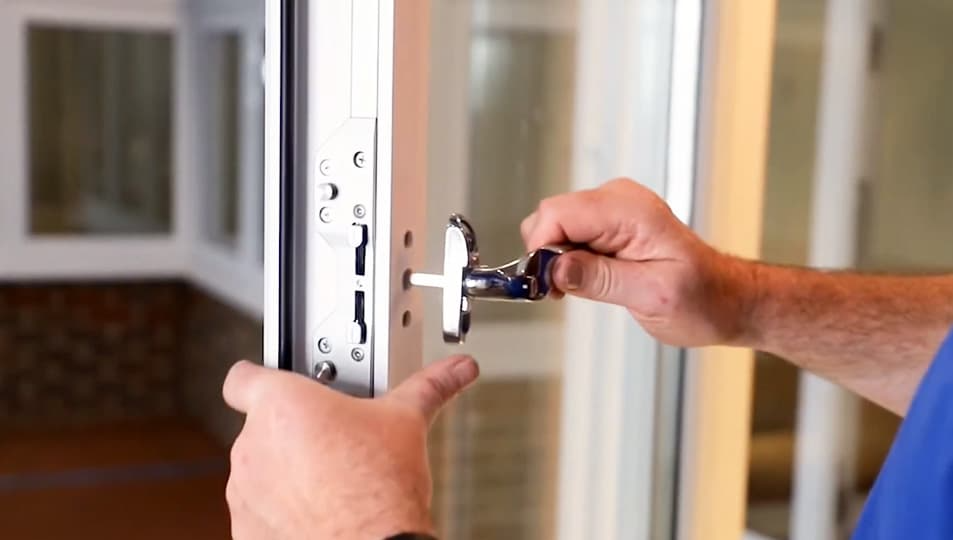
Navigating Conservatory Door Repair: A Comprehensive Guide
Conservatories, likewise called sun parlors or solariums, are valued areas in lots of homes, offering a mix of indoor and outdoor living. However, like any other part of a home, conservatory doors can encounter issues over time. Whether it's a small squeak or a more substantial issue, understanding how to repair and maintain these doors is important to keep your conservatory practical and pleasurable. This comprehensive guide will walk you through the common issues, window mechanism repair strategies, and preventive measures to ensure your conservatory door remains in top condition.
Typical Issues with Conservatory Doors
Before diving into the repair procedure, it's essential to identify the common issues that conservatory doors deal with. Here are a few of the most frequent problems:

Squeaking or Sticking Doors
- Cause: Dust, dirt, or damaged hinges.
- Solution: Clean the hinges and use lube. Replace hinges if needed.
Drafts and Leaks
- Trigger: Worn-out seals, spaces, or damaged frames.
- Solution: Replace seals, use weatherstripping, or consider professional repair for severe damage.
Locking Mechanisms
- Trigger: Rust, wear, or misalignment.
- Solution: Window Safety Clean and lube the commercial lock repair system. Adjust or replace the lock upgrade if it's not working properly.
Broken Glass
- Cause: Impact, age, or making problems.
- Solution: Replace the broken glass panel. Ensure the new glass matches the existing one in terms of size and type.
Structural Damage
- Trigger: Age, weather exposure, or bad setup.
- Solution: Assess the level of the damage and decide whether to repair or replace the door. Professional repair might be essential for substantial damage.
Step-by-Step Guide to Conservatory Door Repair
Evaluate the Problem
- Step 1: Identify the specific issue with your conservatory door. Is it a minor problem like a squeaky hinge, or a more substantial issue like a broken window lock parts?
- Step 2: Gather the needed tools and materials. Typical tools include a screwdriver, lube, a wrench, and replacement parts if required.
Clean and Lubricate
- Step 1: Clean the door and its elements. Use a soft fabric to get rid of dust and dirt.
- Step 2: Apply a lubricant to hinges, locks, and other moving parts. WD-40 or silicone spray are effective choices.
Replace Worn-Out Parts
- Step 1: If the hinges are used out, eliminate them by loosening the screws.
- Action 2: Install brand-new hinges. Ensure they are properly aligned and safely secured.
- Action 3: For broken seals, tidy the frame and use brand-new weatherstripping. Cut the strips to the proper length and press them into location.
Fix Drafts and Leaks
- Step 1: Identify the source of the draft or leak. Inspect the seals, spaces, and frames.
- Step 2: Replace damaged seals and apply weatherstripping to gaps. Utilize a caulk weapon to fill larger spaces.
Address Structural Issues
- Step 1: Inspect the door frame and surrounding structure for any signs of damage.
- Step 2: For small damage, use wood filler or epoxy to repair fractures and gaps.
- Action 3: For extensive damage, speak with a professional for a more extensive repair or replacement.
Test the Door
- Step 1: After making the repairs, test the door to guarantee it runs smoothly and safely.
- Action 2: Check for any staying issues and make additional modifications if necessary.
Preventive Maintenance Tips
Routine maintenance can assist avoid lots of common issues and extend the life of your conservatory door. Here are some tips to keep your door in excellent condition:
- Regular Cleaning: Clean the door and its elements a minimum of two times a year to eliminate dirt and debris.
- Lubrication: Apply lube to hinges and locks every six months to keep them moving efficiently.
- Examine Seals: Check the seals and weatherstripping every year and change them as required.
- Inspect for Damage: Regularly inspect the door frame and office lock repair structure for any signs of wear or damage.
- Professional Inspections: Consider scheduling a professional assessment every couple of years to capture any issues early.
Frequently asked questions
Q: How frequently should I oil my conservatory door hinges?
- A: It's advised to lube the hinges every six months to guarantee smooth operation and avoid rust.
Q: What type of lube should I utilize for my conservatory door?
- A: WD-40 or silicone spray work alternatives for oiling hinges and locks. They supply a thin, non-greasy film that minimizes friction and prevents rust.
Q: Can I change the glass in my conservatory door myself?
- A: If you have basic DIY skills, you can replace the glass. Nevertheless, for larger or more complicated panels, it's best to seek advice from a professional to make sure a safe and protected setup.
Q: What should I do if my conservatory door is hard to close?
- A: Start by cleaning up the door and applying lube to the hinges and lock. If the problem persists, look for misalignment or damage to the frame. Adjust or repair as essential.
Q: How can I prevent drafts and leaks in my conservatory door?
- A: Regularly check and change seals and weatherstripping. Apply caulk to any spaces in the frame. Ensure the door is appropriately aligned and safely closed.
Conservatory doors are an important part of any sunroom, supplying both functionality and aesthetic appeal. By comprehending typical issues, following a step-by-step repair guide, and executing preventive maintenance, you can guarantee your conservatory door stays in top condition. Whether it's an easy fix or a more intricate repair, making the effort to take care of your door will assist you enjoy your conservatory for several years to come.
- 이전글 Сообщество Мастерградъ: Незаменимый надежный советчик в стройке и отделке
- 다음글 The Birth of Signup Bonus Poker
댓글목록 0
등록된 댓글이 없습니다.