See What Timber Fascias Tricks The Celebs Are Using
페이지 정보
작성자 Valentin 작성일 26-05-25 04:25 조회 24 댓글 0본문
Everything You Need to Know About Timber Fascias
Timber fascias are an essential component of structure style, playing a considerable role in both looks and performance. They are horizontal boards that run along the edge of a roofing, frequently working as an ornamental element while also protecting the roof and underlying structure from the aspects. In this blog site post, we will explore the advantages of timber fascias, the different types offered, the installation process, and maintenance pointers. We will also address some often asked concerns to assist you make an informed decision when considering timber fascias for your home.
What Are Timber Fascias?
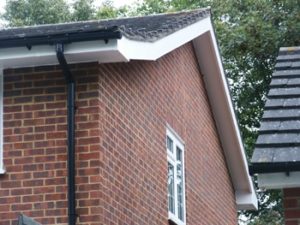
Timber fascias are boards that cover the ends of roof rafters, linking the roofing system's edge to the Soffit And Fascia Replacement. They support the guttering system, preventing water from running down the walls and protecting the roofing system's structure from water damage. Beyond their protective function, timber fascias can improve the overall appearance of a building, using a rustic or conventional appeal that can complement numerous architectural designs.
Advantages of Timber Fascias
Timber fascias provide a variety of advantages, including:
Aesthetic Appeal: Timber supplies a warm and natural appearance that can enhance the general style of a structure.
Toughness: When correctly treated and preserved, timber fascias can last for numerous years, enduring harsh weather condition conditions.
Customizability: Timber can be quickly cut, shaped, and painted to fit any style.
Sustainability: Timber is a sustainable resource, making it an eco-friendly choice when sourced responsibly.
Insulation Properties: Timber can provide extra insulation, helping to keep homes warmer in the winter season and cooler in the summer.
Types of Timber Fascias
There are numerous types of timber fascias, each with its unique attributes and purposes. Below is a table laying out the most typical kinds of timber utilized for fascias:
| Type of Timber | Attributes | Pros | Cons |
|---|---|---|---|
| Softwood | Lightweight and frequently used; includes pine and cedar | Cost-efficient; readily available | Less resilient than wood |
| Hardwood | Denser and more durable; consists of oak and mahogany | Excellent durability; resistant to wear | More costly; much heavier |
| Dealt with Timber | Timber that has undergone treatment to withstand rot and bugs | Long-lasting; appropriate for outdoor usage | Can be chemically treated; check requirements |
| Engineered Wood | Made from composite products for extra strength | Steady; resistant to deforming | Restricted visual adaptability |
Installation Process
Installing timber fascias involves numerous steps, making sure both structural stability and an enticing surface. Here's a basic guide to the installation process:
Preparation: Measure the length of the roof edge to figure out the required fascia board length. Make sure that the roofing location is clean and dry.
Cutting the Timber: Use a saw to cut the timber fascias to the proper length. Ensure the cuts are straight and tidy.
Protecting the Fascia And Soffit Maintenance: Position the Fascia And Soffit Contractor board versus the roof edge, aligning it appropriately. Use screws or nails to attach the board, guaranteeing it is level.
Sealing Joints: Apply caulk at the joints to prevent moisture from seeping in, which might lead to rot.
Ending up Touches: Sand the edges for a smooth surface. Use a protective coating, such as paint or stain, to enhance resilience and looks.
Maintenance Tips
Timber fascias need regular maintenance to guarantee durability and look. Here are some beneficial tips:
Regular Inspections: Check for indications of wear, rot, or insect damage a minimum of when a year.
Cleaning: Clean the fascias with a mild detergent and water to remove dirt, algae, and mold.
Repainting/Staining: Reapply paint or stain every few years, depending upon wear, to secure the wood from wetness and UV damage.
Gutter Maintenance: Ensure that rain gutters are clear of particles to avoid water overflow, which could damage the fascias.
Trigger Repairs: Address any signs of damage right away to avoid more deterioration.
FAQs About Timber Fascias
1. How typically do I require to paint or stain timber fascias?
- It is normally advised to repaint or restain your timber fascias every 3 to 5 years, depending upon direct exposure to elements and use.
2. Can I install timber fascias myself?
- Yes, if you have standard carpentry abilities and tools, you can install timber fascias yourself. Nevertheless, if you are uncertain, working with a professional may be a good idea.
3. Are timber fascias more expensive than other materials?
- Timber fascias can be more expensive than some synthetic materials, but their toughness and visual appeal frequently justify the investment.
4. What type of timber is best for fascias?
- Softwoods like cedar and treated timber are popular choices due to their cost-effectiveness and resistance to rot. Nevertheless, hardwoods use greater resilience if your spending plan enables.
5. How do I know if my timber fascias need replacing?
- Signs consist of noticeable rot, peeling paint, insect damage, or drooping. If you see any of these signs, it's time to consider replacement.
Timber fascias are an essential component of roof systems, providing vital security and improving the aesthetic appeal of homes. With appropriate installation and regular maintenance, timber fascias can last for lots of years, delivering both functionality and beauty. If you are considering timber fascias for your building task, weighing the benefits and drawbacks and remaining informed about the best options will make sure an effective and satisfying result.
- 이전글 Betting Trends in UFC and Boxing: An Observational Study in South Africa
- 다음글 Five Killer Quora Answers On Genuine PTE Certificate Provider
댓글목록 0
등록된 댓글이 없습니다.