Guide To Fascia And Soffit Installation: The Intermediate Guide Toward…
페이지 정보
작성자 Rodger 작성일 26-06-10 03:23 조회 2 댓글 0본문
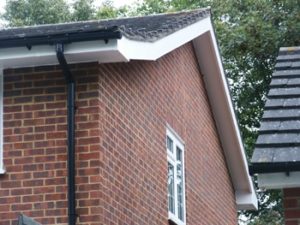
Understanding Fascia and Soffit Installation: A Comprehensive Guide
When it comes to home construction and maintenance, many property owners overlook the significance of fascia and soffit. These elements play an essential function in securing the structure of the home from weather components while likewise boosting its aesthetic appeal. This guide will cover everything you require to learn about Fascia Installation and soffit installation, consisting of meanings, materials utilized, installation steps, benefits, and often asked concerns.
What is Fascia and Soffit?
Fascia
Fascia is the long, horizontal board that runs along the edge of the roofing system. It acts as a protective barrier versus wetness damage, bugs, and other environmental aspects. Furthermore, fascia supports the bottom row of shingles and can be used to support seamless gutters.
Soffit
Soffit is the product that covers the underside of the roofing overhang. It assists in ventilation and helps avoid moisture build-up in the attic, which can result in mold development and structural damage. Soffit also enhances the visual appeal of the home, supplying a tidy finish at the eaves.
Advantages of Installing Fascia and Soffit
| Advantage | Fascia | Soffit |
|---|---|---|
| Defense | Shields wood from moisture and bugs | Avoids moisture build-up in the attic |
| Looks | Enhances the home's exterior appearance | Provides a sleek aim to roofing edges |
| Ventilation | Supports gutter systems and aids ventilation | Facilitates air flow to the attic |
| Structural Support | Supports the roof and gutters | Matches roofing overhangs |
Products Used in Fascia and Soffit Installation
Fascia and soffit can be made from different materials, each with its distinct benefits and disadvantages. Here are the most typical materials used:
Fascia Materials
- Wood: A traditional alternative that provides a natural appearance but requires routine maintenance and painting.
- Vinyl: Low-maintenance, long lasting, and offered in numerous colors; however, it can end up being brittle in severe temperatures.
- Aluminum: Rust-resistant and needs minimal maintenance; however, it may damage with time.
- Fiber Cement: Highly long lasting and weather-resistant, providing a more refined appearance; however, it can be more expensive.
Soffit Materials
- Vinyl: Lightweight, affordable, and easy to install; readily available in numerous colors.
- Aluminum: Durable and rust-resistant; offers excellent ventilation alternatives.
- Wood: Offers a natural visual but requires routine maintenance and is susceptible to rot.
Steps for Installing Fascia and Soffit
Tools and Materials Required
- Ladder
- Security safety glasses
- Nail weapon or hammer
- Determining tape
- Level
- Chalk line
- Caulk weapon
- Flashing
- Fascia Fascias And Soffits soffit boards
- Fasteners
Installation Steps
Preparation: Begin by guaranteeing the work location is clean and complimentary of debris. Always use security goggles and use a durable ladder.
Measure: Use a measuring tape to figure out the length of the fascia and soffit boards. Mark the measurements on the boards using a chalk line.
Cutting: Use a saw to cut the fascia and soffit boards to the suitable lengths.
Install the Fascia:
- Position the fascia board at the end of the rafters.
- Utilize a level to ensure it is straight.
- Protect it with proper fasteners (nails or screws).
Set up the Soffit:
- Begin at one end of the overhang.
- Move the soffit board into place, ensuring it fits snugly versus the fascia and wall.
- Protect the soffit utilizing fasteners, guaranteeing proper positioning.
Ventilation: If setting up vented soffit, guarantee there are adequate ventilation holes to promote air flow to the attic.
Finishing Touches: Seal any gaps or joints with caulk to prevent wetness intrusion. Guarantee the installation is visually appealing and fulfills regional building regulations.
FAQ About Fascia and Soffit Installation
1. How frequently should fascia and soffit be replaced?
Fascia and soffit usually last in between 20 to 30 years, depending on the material and regional weather. Routine maintenance can extend their life-span.
2. Can I install fascia and soffit myself?
Yes, if you have the right tools and experience, setting up Fascia And Cladding and soffit can be a DIY job. Nevertheless, for those unfamiliar with building methods, hiring a professional is suggested.
3. What happens if fascia and soffit are not set up properly?
Improper installation can cause water damage, pests in the attic, and structural concerns. Guaranteeing proper installation helps prevent these problems.
4. Are there any local codes for fascia and soffit installation?
Local building codes can vary, so it's vital to inspect with your regional authorities or a professional to guarantee compliance.
5. How can I preserve my fascia and soffit?
Regular examinations, cleaning seamless gutters, and repainting (for wooden materials) can help maintain fascia and soffit. Look for signs of damage or rot and address them promptly.
Fascia and soffit installation might look like a small information in the grand plan of home building, but their significance can not be overemphasized. By offering security, improving aesthetic appeals, and promoting ventilation, these components add to the durability and look of a home. Comprehending the installation process, products, and maintenance will help house owners make informed choices that benefit their residential or commercial properties in the long run. Whether you're a DIY lover or thinking about employing a professional, having a grasp of the fundamentals will guarantee a successful result. Happy building!
- 이전글 13 Things You Should Know About Large Sofas That You Might Not Have Known
- 다음글 Kanapa z funkcją spania – jak wybrać mebel, który nie zrujnuje ci kręgosłupa
댓글목록 0
등록된 댓글이 없습니다.