15 Startling Facts About Fascia And Soffit That You Didn't Know
페이지 정보
작성자 Jonelle Rowe 작성일 26-05-28 20:41 조회 5 댓글 0본문
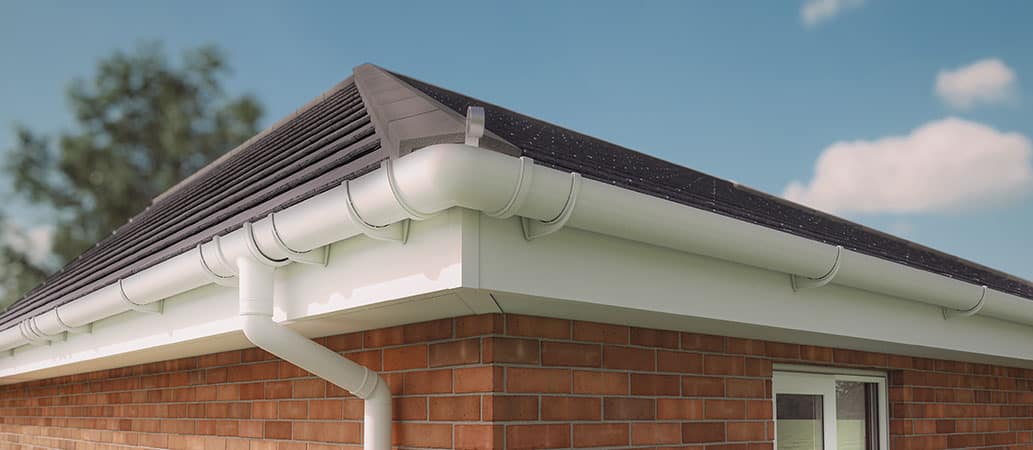
Fascia and Soffit Maintenance: A Comprehensive Guide
When it concerns home maintenance, the outside components frequently take the spotlight, while the fascia and soffit stay neglected. Nevertheless, these components are essential not just for the aesthetic appeal of your home but likewise for its structural integrity. This blog will dive into the importance of fascia and soffit, outline effective maintenance practices, and offer answers to common questions.
Comprehending Fascia and Soffit
What Are Fascia and Soffit?
| Term | Description |
|---|---|
| Fascia | A horizontal band that runs along the roofing's edge, supporting the lower edge of the roofing system and providing a completed look. It typically works as a mounting board for rain gutters. |
| Soffit | The underside of the roof overhang, which bridges the gap between the Fascia Repair and the wall of the house. It can be ventilated or non-ventilated and is vital for airflow in the attic. |
Value of Fascia and Soffit
- Protection: They secure your roofing and attic from water damage and insects.
- Ventilation: Properly aerated soffits assist preserve a balanced airflow, preventing wetness accumulation that can result in mold and structural damage.
- Curb Appeal: Clean and well-maintained fascia and soffit improve your home's outside visual appeals.
Typical Materials Used
Fascia and soffit can be built from various materials, consisting of:
| Material | Pros | Cons |
|---|---|---|
| Vinyl | Low maintenance, resistant to rot and mildew | Can fade in sunshine, minimal color options |
| Wood | Conventional visual, simple to paint | Prone to rot and insect damage |
| Aluminum | Long lasting, rust-resistant | Can dent easily, restricted personalization |
| Fiber Cement | Long-lasting, resistant to insects and rot | Much heavier, more pricey |
Indications of Damage
Being proactive is crucial. Here are indications that suggest your fascia and soffit might require maintenance:
- Peeling Paint: Indicates moisture problems or the need for repainting.
- Sagging or Cracks: Could indicate structural issues.
- Insect Infestations: Evidence of nesting or entry points suggests that repairs are necessary.
- Water Damage: Stains or staining suggest leaks or insufficient drain.
Maintenance Tips for Fascia and Soffit
Routine Cleaning
- Frequency: Clean fascia and soffit at least two times a year, preferably in the spring and fall.
- Tools Needed:
- Soft-bristle brush
- Garden hose with a spray accessory
- Ladder (ensure it's stable and safe)
- Cleaning service (mild cleaning agent combined with water)
Steps:
- Remove any particles like leaves and dirt.
- Utilize the brush to gently scrub the surface areas.
- Rinse with water, making sure all soap residue is gotten rid of.
Checking for Damage
- Inspect for indications of rot, insect damage, or wear throughout cleansing.
- Take notice of any noticeable fractures or warping in the products.
- Inspect gutters and downspouts to guarantee they're directing water away from the fascia and Expert Soffit Installation.
Repair and Replacement
When to Repair
- Minor fractures in wood can be filled with wood filler.
- If paint is peeling, scrape and repaint utilizing premium exterior paint.
When to Replace
| Scenario | Action Required |
|---|---|
| Substantial water damage | Full replacement of afflicted areas |
| Considerable pest damage | Replace harmed areas with pest-resistant materials |
| Split or deformed Fascia Board Repair or soffit | Change with new, resilient materials |
Ventilation Maintenance
Proper ventilation is essential for preventing moisture accumulation in your attic. Guarantee the soffits are clear of obstructions:
- Clean any particles that can obstruct airflow.
- Ensure that vents are not covered or blocked.
Frequently asked questions About Fascia and Soffit Maintenance
How typically should I check the fascia and soffit?
- It's advised to inspect these locations a minimum of two times a year, especially after extreme weather.
Can I paint the fascia and soffit myself?
- Yes, painting is workable for homeowners. Simply make sure proper surface area preparation and use exterior-grade paint.
What can I do if I discover insect damage?
- Treat the affected area with appropriate pesticides and repair or replace any damaged sections.
Is it necessary to hire specialists for maintenance?
- While minor cleaning and inspection can be done by house owners, significant repairs or replacements may require professional knowledge.
What kind of material is best for fascia and Soffit Replacement (please click the following page)?
- It depends upon your spending plan and visual choice. Vinyl and fiber cement are popular for durability, while wood uses a traditional appearance.
Fascia Board Repair and soffit maintenance is essential for the durability of your home's outside. Routine cleansing, assessments, and timely repairs can save property owners from pricey renovations down the line. By taking notice of these often-overlooked elements, you ensure that your home remains not only beautiful however also structurally sound. Whether handling small maintenance jobs yourself or seeking professional help, keeping your fascia and soffit in leading condition is indeed a beneficial investment.
- 이전글 정품 유통 중심 남성 활력 전문몰 성인약국 혜택 안내
- 다음글 Are You Actually Doing Sufficient Play Pragmatic Play Slots Online – Demo + Cash?
댓글목록 0
등록된 댓글이 없습니다.