The 10 Most Scariest Things About Shipping Container Prices
페이지 정보
작성자 Sharron 작성일 26-06-01 03:22 조회 4 댓글 0본문
Understanding Shipping Container Prices: A Comprehensive Guide
Refrigerated Shipping Containers containers have actually become vital in worldwide trade and logistics, serving not just as transport vessels however likewise as flexible structure products and temporary storage solutions. As their appeal has actually risen, so too have the concerns surrounding Shipping Container Business container prices. This short article aims to offer an extensive analysis of shipping container rates, factors impacting expenses, market patterns, and answers to regularly asked concerns.
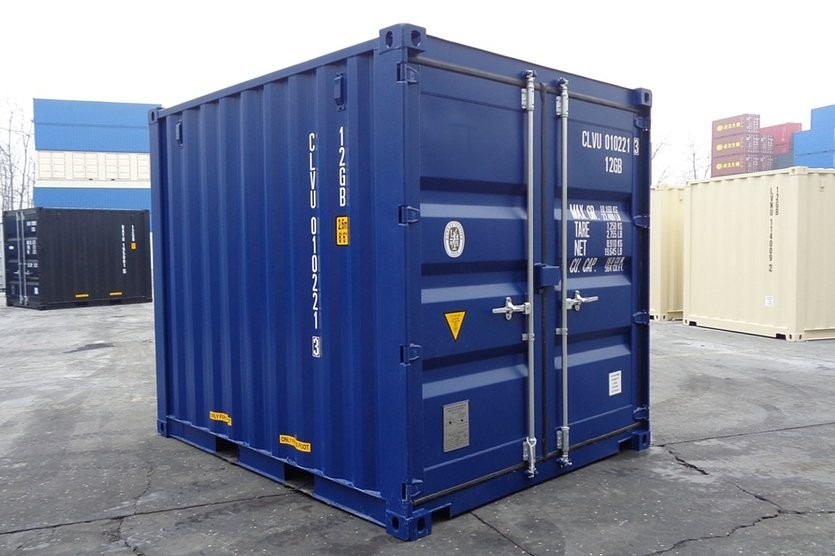
Overview of Shipping Container Prices
Shipping container prices can vary significantly based on a range of elements, including container size, condition, type, and market need. Below is a streamlined table to provide a general introduction of what customers might anticipate when buying a shipping container.
| Container Size | New Condition (High Quality) | Used Condition (Functional) | Refurbished Condition |
|---|---|---|---|
| 20 ft | ₤ 2,500 - ₤ 4,500 | ₤ 1,200 - ₤ 2,500 | ₤ 1,800 - ₤ 3,000 |
| 40 ft | ₤ 4,000 - ₤ 7,000 | ₤ 2,500 - ₤ 4,500 | ₤ 3,500 - ₤ 5,500 |
| 40 ft High Cube | ₤ 4,500 - ₤ 8,000 | ₤ 3,000 - ₤ 5,000 | ₤ 4,000 - ₤ 6,000 |
| 10 feet | ₤ 1,500 - ₤ 3,000 | ₤ 800 - ₤ 1,500 | ₤ 1,200 - ₤ 2,000 |
Types of Containers
- Requirement Containers: The most common type, used for general Cargo Storage Containers.
- Reefer Containers: Temperature-controlled for disposable items.
- Flat Rack Containers: Open-sided containers for heavy or oversized products.
- Open Top Containers: Ideal for bulky items requiring loading from above.
- High Cube Containers: Taller than basic containers to take full advantage of interior area.
Elements Influencing Shipping Container Prices
Understanding the numerous factors that affect shipping container prices can help purchasers make notified decisions.
1. International Supply and Demand
The most significant factor influencing container prices is worldwide supply and demand dynamics. When need for shipping containers outstrips supply - typically due to worldwide trade fluctuations or crises such as the COVID-19 pandemic - prices soar. Conversely, in sluggish economic durations, prices tend to stabilize or drop.
2. Container Condition
The condition of the container substantially impacts its rate. New containers cost substantially more than used or reconditioned ones. Buyers need to evaluate whether they require a container in pristine condition or if a practical used container will be enough for their needs.
3. Shipping Costs
Transport costs likewise affect container prices. The farther a buyer is from the source, the greater the shipping Container price costs, which are frequently passed down to the customer. Furthermore, fuel prices can affect shipping expenses, impacting the last price of the container.
4. Regional Pricing Variations
Prices can vary depending upon geographic location. In ports with high container traffic, prices might be more competitive compared to inland areas where shipping containers are less typical.
5. Modification and Modifications
If a purchaser requires particular modifications (window installations, insulation, and so on), this can increase the general cost. Custom-made or specifically geared up containers command higher prices due to additional labor and materials.
Market Trends Impacting Container Prices
Awareness of present market patterns can provide important insights for potential buyers.
Post-Pandemic Recovery
Following the COVID-19 pandemic, logistics have experienced significant interruptions that have resulted in varying prices. As the world moves towards healing, demand for shipping containers is expected to rise, which may lead to increasing prices.
Eco-Friendly Practices
The growing emphasis on sustainability has also cultivated need for refurbished and Modified Shipping Containers containers, affecting prices in the secondary market.
Technological Advancements
With the intro of clever containers geared up with IoT technology, prices for new containers may see boosts due to additional functions and abilities.
Frequently Asked Questions (FAQs)
Q1: How can I find shipping container prices in my location?
Shipping container dealers typically sticker price on their websites or through online markets. Furthermore, getting in touch with regional suppliers can offer tailored quotes based on your specific needs.
Q2: Are used containers worth the financial investment?
Used containers can be an exceptional investment, especially for momentary storage or modification into living spaces for those on a spending plan. Constantly examine a used container for structural integrity and possible concerns.
Q3: What are the concealed costs in container purchases?
Purchasers need to understand extra costs, including delivery fees, taxes, and potential modifications. Contacting providers about all potential costs upfront can prevent surprises.
Q4: Can I finance a shipping container purchase?
Many suppliers use funding choices, particularly for services. Private purchasers might need to explore individual loan alternatives or purchase outright.
Shipping container prices are affected by a myriad of elements, consisting of supply and demand dynamics, container condition, local rates variations, and market trends. Whether purchasers are trying to find a strong container for transport, an innovative option for storage, or a special job in mind, comprehending the nuances of shipping container pricing is vital. By staying notified and thoroughly considering their alternatives, customers can browse the container market efficiently and make wise acquiring decisions.
As the landscape moves back to normalcy post-pandemic, staying upgraded on market trends and prices will continue to be vital for purchasers in both industrial and personal endeavors.
- 이전글 15 Hot Trends Coming Soon About German Driving License Registration
- 다음글 You Are Responsible For An Driving License Application Poland Budget? 12 Tips On How To Spend Your Money
댓글목록 0
등록된 댓글이 없습니다.