The Ethics of Cannabis Photography
페이지 정보
작성자 Alina 작성일 25-12-02 05:34 조회 4 댓글 0본문
Photographs in cannabis advertising raise profound moral dilemmas that reach far beyond commercial strategy and enter the realm of public health. As cannabis gains legislative acceptance nationwide, the imagery used to promote it has evolved into a highly curated form. Pictures of vibrant cannabis foliage, people casually using cannabis in social settings, and serene natural settings are ubiquitous. But these carefully curated visuals can obscure the realities of use, particularly for vulnerable populations.
One major concern is how these images might influence young people. Adolescents are particularly vulnerable to imagery-driven cues, and the presentation of weed map as lighthearted can reduce perceived risk before the brain has completed critical neurodevelopmental stages. Morally grounded promotion should not romanticize substances that carry known risks, especially when those risks are exacerbated in youth. An image of a young person using a cannabis device might look like casual fun, but it could be interpreted as endorsement rather than neutral disclosure.
A parallel concern is the suppression of negative effects. Many cannabis ads filter out inconvenient truths like impaired judgment, psychological reliance, or mental health impacts. By showing only the benefits, these images fabricate a false reality. This selective representation can mislead consumers into thinking cannabis is completely safe, which is not scientifically accurate. Truthful advertising visuals should not be used to suppress inconvenient truths.
The issue of representation cannot be ignored. The cannabis industry has often been built on the backs of communities that were criminally overrepresented in arrests. Yet the central figures in marketing are not those communities. Instead, they are often white, affluent individuals enjoying products in gentrified spaces. This disconnect raises ethical red flags about who benefits from legalization and who is being left out.
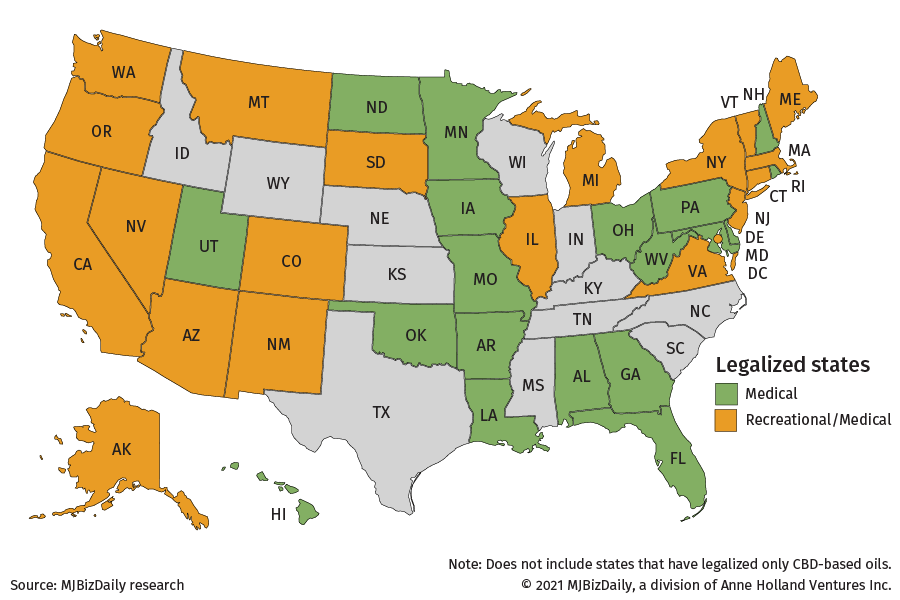
Finally, the use of nature and wellness imagery—think earth tones, quiet spaces, and calming symbols—can suggest it possesses mystical properties. While some users do experience medicinal relief, this rhetorical approach can muddy the distinction between treatment and indulgence, making it obfuscating rational choice. Ethical photography should avoid implying supernatural or universal benefits that are not supported by evidence.
Ethical oversight demands collective action. Brands ought to interrogate not just what captures attention, but what harms might be hidden behind a beautiful image. Regulators need to establish clear guidelines on what imagery crosses ethical lines. And the public must critically evaluate the narratives embedded in visuals they see. Photography influences belief. In the context of cannabis, that power must be exercised ethically, transparently, and beyond commercial interest.
- 이전글 Guide To Louisiana Mesothelioma Prognosis: The Intermediate Guide For Louisiana Mesothelioma Prognosis
- 다음글 시간의 힘: 성장과 변화를 통한 자아 발견
댓글목록 0
등록된 댓글이 없습니다.