Undeniable Proof That You Need Soffits
페이지 정보
작성자 Sam 작성일 26-06-06 22:36 조회 3 댓글 0본문
Understanding Fascias and Soffits: Essential Components of Your Home's Exterior
When it comes to home construction and maintenance, many property owners focus on the interior, neglecting the importance of outside components like fascias and soffits. These elements play a vital role in both the performance and aesthetics of a home. In this post, we will dig deep into what fascias and soffits are, their functions, materials, maintenance practices, and frequently asked questions.
What Are Fascias and Soffits?
Before jumping into their value, let's clarify what fascias and soffits are:
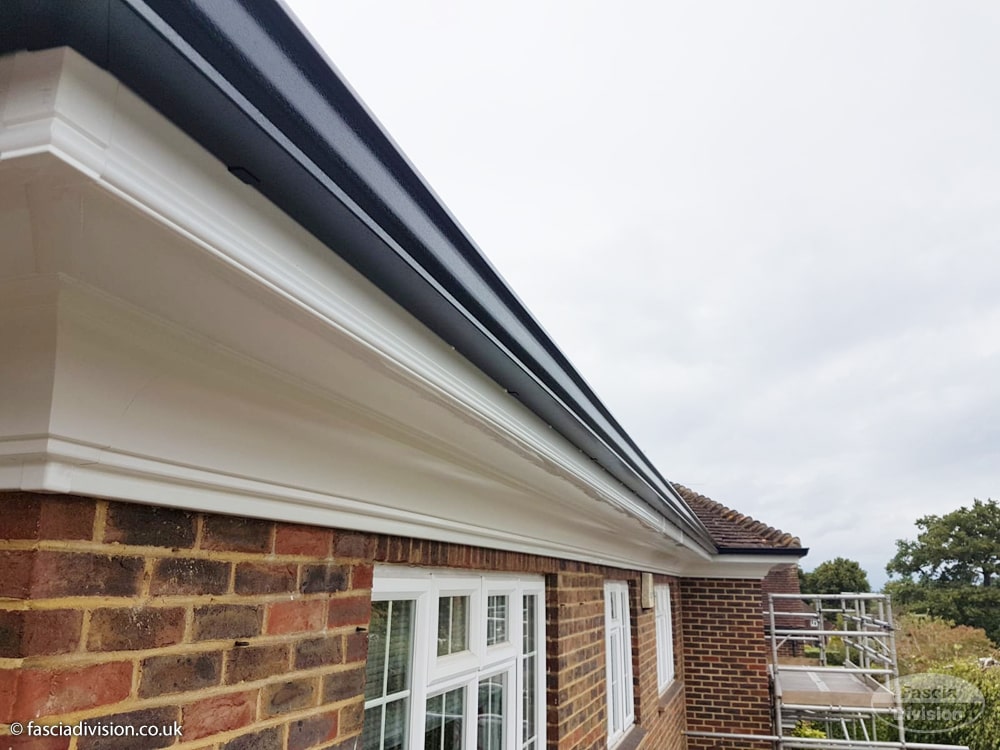
Fascia And Soffit: The fascia board is a horizontal board that runs along the edge of the roofline. It is typically connected to the trusses and is the part that offers a finished want to your eaves. It works as a protective barrier between the roof and the components, securing the rafters from moisture and bugs.
Soffit And Fascia Repair: The Upvc Soffit is the horizontal board that links the Fascia And Gutter Replacement to the exterior wall of the house. It is generally found below the overhang of the roof. Soffits can be aerated, permitting air flow into the attic, which can help regulate temperature level and moisture levels.
| Component | Description | Key Functions |
|---|---|---|
| Fascia | Horizontal board at the roofing's edge | Safeguards the roof structure and provides aesthetic appeal |
| Soffit | Horizontal board below the eaves of a roofing | Helps with ventilation and secures rafters from moisture |
The Importance of Fascias and Soffits
Both fascias and soffits are more than just decorative elements; they are integral to the health and durability of a home. Here's why:
1. Security from the Elements
Fascias and soffits protect the underlying structures of the roofing from rain, snow, and pests. They prevent water from leaking into the rafters and walls, which might cause mold and structural damage.
2. Ventilation
Especially with soffits, proper ventilation is vital for controling temperature level and moisture levels in an attic. Without sufficient airflow, you may face problems such as heat buildup or condensation, resulting in potential damage.
3. Visual Appeal
Both aspects contribute considerably to the total look of a home. They can be personalized with different materials and colors, permitting property owners to enhance their exterior design.
4. Bug Control
When installed properly, fascias and soffits help avoid rodents and pests from nesting in the roof space. This can save homeowners from expensive insect control expenditures in the future.
Materials Used for Fascias and Soffits
When selecting fascias and soffits, house owners have numerous material choices. Here's a breakdown of commonly utilized materials:
| Material | Pros | Cons |
|---|---|---|
| Wood | Aesthetically pleasing, easy to paint | Prone to rot and needs routine maintenance |
| Vinyl | Low maintenance, resistant to moisture | Restricted color options, might fade gradually |
| Aluminum | Long lasting, resistant to rust | Can damage easily, may require unique tools for installation |
| Fiber Cement | Highly resilient, resistant to insects | Much heavier and more expensive than other materials |
| PVC | Light-weight, resistant to moisture | Can end up being brittle with time with exposure to sunshine |
Maintenance Tips for Fascias and Soffits
To guarantee durability and maintain the look of fascias and soffits, property owners should adopt a proactive maintenance routine:
1. Regular Cleaning
Debris such as leaves and dust can accumulate, leading to obstructions or wetness retention. Routinely tidy fascias and soffits to avoid any buildup.
2. Examine for Damage
Regularly look for signs of rot, cracks, or insect problems. Early detection can save homeowners from pricey repairs.
3. Paint or Seal
For wooden fascias, repaint or seal every couple of years to safeguard against wetness and extend its life.
4. Check Ventilation
Ensure that soffits, especially aerated ones, are not obstructed. Correct airflow is important for a healthy attic environment.
5. Professional Help
If substantial issues are spotted, think about working with a professional to deal with repairs or replacements to guarantee that the task is done correctly.
Frequently Asked Questions (FAQ)
1. How frequently should I clean my fascias and soffits?
House owners ought to aim to clean their fascias and soffits a minimum of twice a year, typically in the spring and fall.
2. What are the signs of damaged fascias and soffits?
Signs of damage consist of peeling paint, drooping boards, mold growth, or noticeable gaps between boards.
3. Can I install fascias and soffits myself?
While it is possible for experienced DIYers to set up these parts, it is typically suggested to employ a professional to ensure correct installation, particularly for ventilation requirements.
4. What's the lifespan of fascias and soffits?
The life expectancy differs depending on the product. For example, vinyl can last approximately 30 years, while wood may just last around 10-15 years without proper maintenance.
5. Are there specific ventilation requirements for soffits?
Yes, regional building regulations may dictate ventilation requirements. Talk to a professional or local structure authority to make sure compliance.
Fascias and soffits are vital for the protection and visual appeal of a home. By comprehending their functions, products, and maintenance requirements, homeowners can ensure these elements contribute positively to the durability and appeal of their residences. Investing time and resources into keeping Wooden Fascias and soffits is not almost appearance; it is an important aspect of home care that safeguards the whole structure from damage and decay. Whether you're a new homeowner or wanting to keep your present house, a concentrate on fascias and soffits can go a long method in preserving your home's integrity.
댓글목록 0
등록된 댓글이 없습니다.